

We provide high pressure jetting for drainage cleaning, groundworks support, concrete removal and surface preparation on active construction sites. Silt in new drainage, hardened concrete and coating removal are different jobs, so the method must suit the material, the installation and the work that follows.
High Pressure Jetting for Construction
Construction high pressure jetting for drainage, groundworks, concrete removal and surface preparation. Recovery and checks depend on the task.
HomeHigh Pressure Jetting for ConstructionHigh Pressure Jetting for Construction enquiry
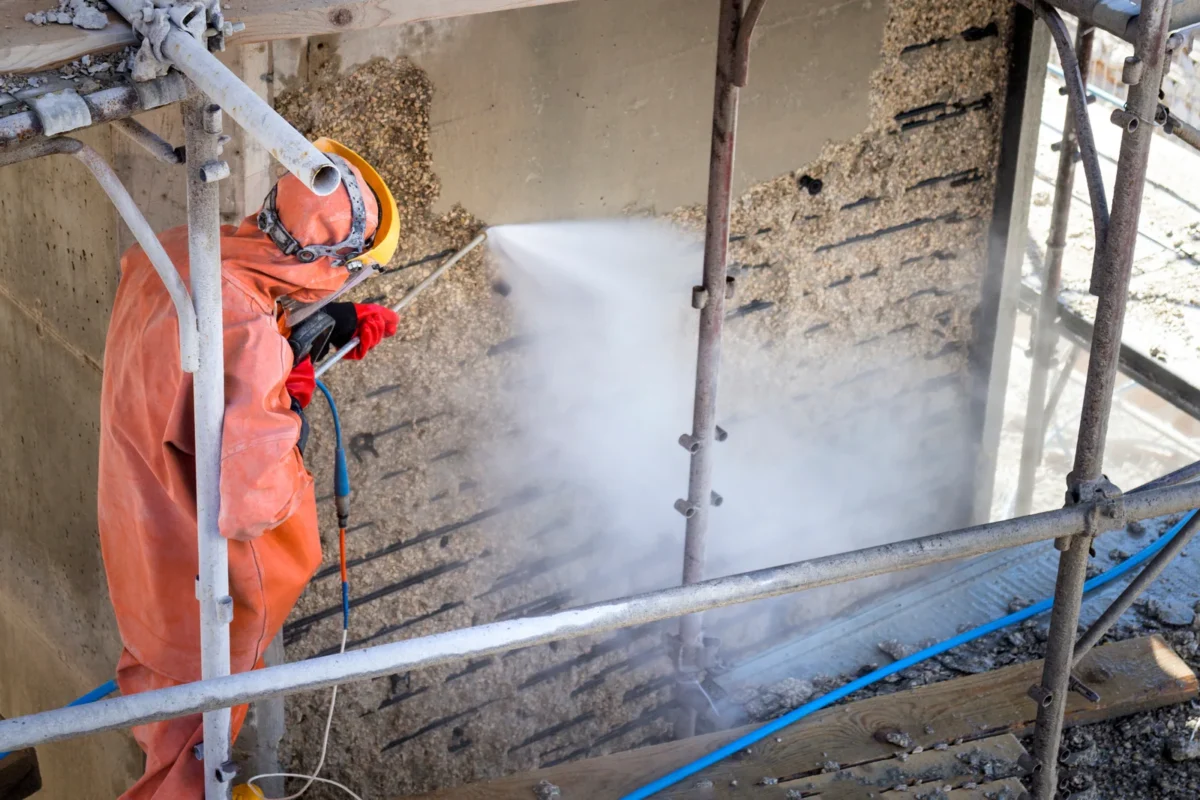
Active construction sites
Jetting is controlled around traffic, excavations, exposed services, other trades and newly installed drainage or surfaces.
Silt and concrete are different
Loose drainage deposits and specified concrete removal need different tools, recovery and completion checks.
RPS 261 has narrow conditions
In England it concerns temporary uncontaminated excavation water and is not blanket permission for jetting washings or slurry.
Drainage and surface work on active sites
Traffic routes, excavations, exposed services and other trades can sit close to the jetting area. Hoses, open chambers and the active treatment zone need to fit the site’s working arrangements. New finishes and recently installed drainage also need protection from methods that would be acceptable on more robust existing surfaces or pipework.
Silt, concrete and new drainage
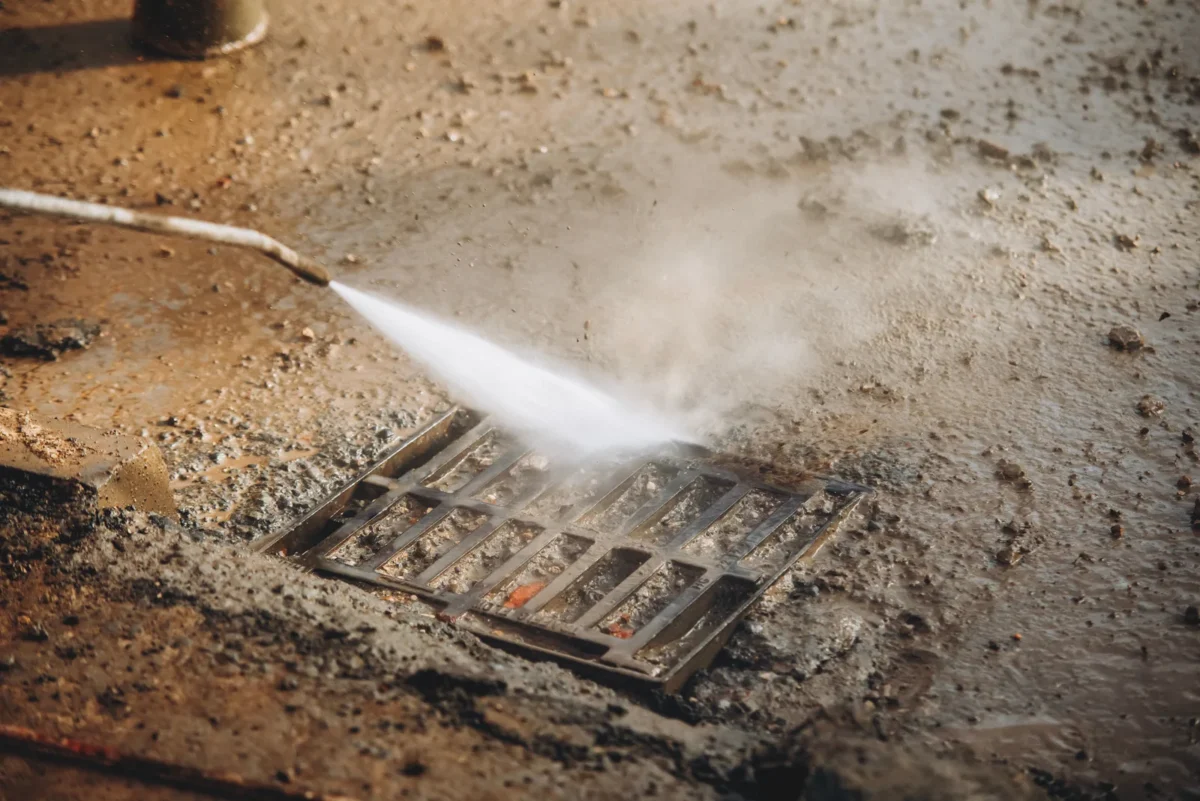
Loose sediment may be removed from drainage, while hardened concrete can require specialist controlled removal. Restored flow does not prove a new drain is free from damage, and concrete removal follows the repair designer’s boundaries rather than a general cleaning standard. Released material is recovered so one obstruction is not moved into another section.
Discuss construction high pressure jetting
Complete the form and we will get back to you.
Water discharge and RPS 261 in England
The linked sector or activity guidance concerns temporary discharge of uncontaminated excavation water to surface water in England. RPS 261 does not remove the legal requirement for a water-discharge activity permit; it describes when the Environment Agency will not normally take enforcement action if all its conditions are met. It is not permission for concrete slurry, contaminated jetting washings, discharge to ground or groundwater, or another activity outside those conditions.
Checks before handover or repair
Cleaned drainage can be prepared for CCTV inspection where required, while surface preparation and concrete removal are checked against the next stage of work. Any remaining obstruction, damage or removal limit is identified rather than treated as complete because the area looks cleaner.
High Pressure Jetting for Construction: common questions
Can jetting prepare new drainage for CCTV inspection?
Yes, where suitable cleaning is needed to expose the pipe wall before the survey.
Does restored flow prove new drainage is undamaged?
No. Flow and structural condition are separate questions.
Can concrete slurry be discharged under RPS 261?
No. RPS 261 concerns temporary uncontaminated excavation water under its stated conditions, not concrete slurry or contaminated jetting washings.
Does RPS 261 remove the need for a water-discharge activity permit?
No. It is an Environment Agency enforcement position in England where all conditions are met, not a legal permit exemption.