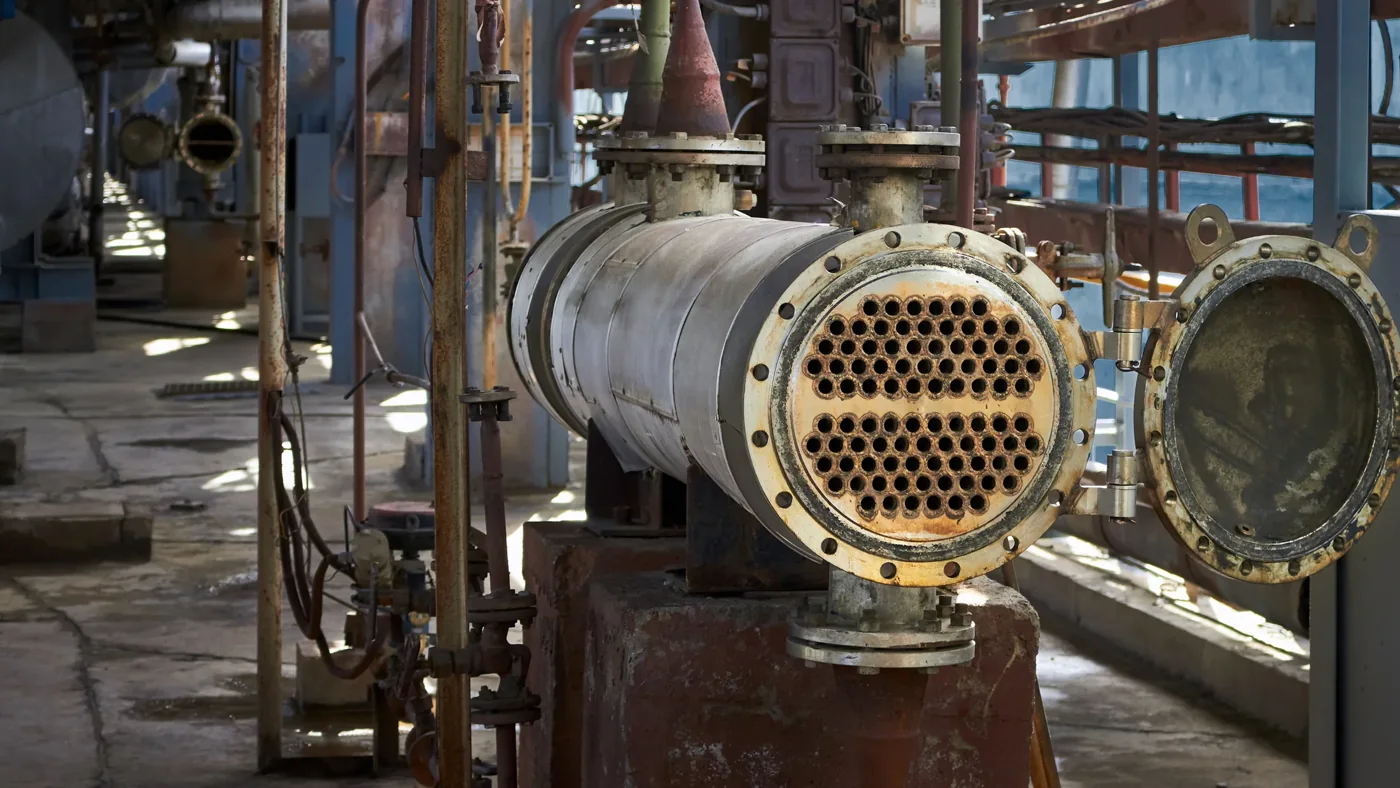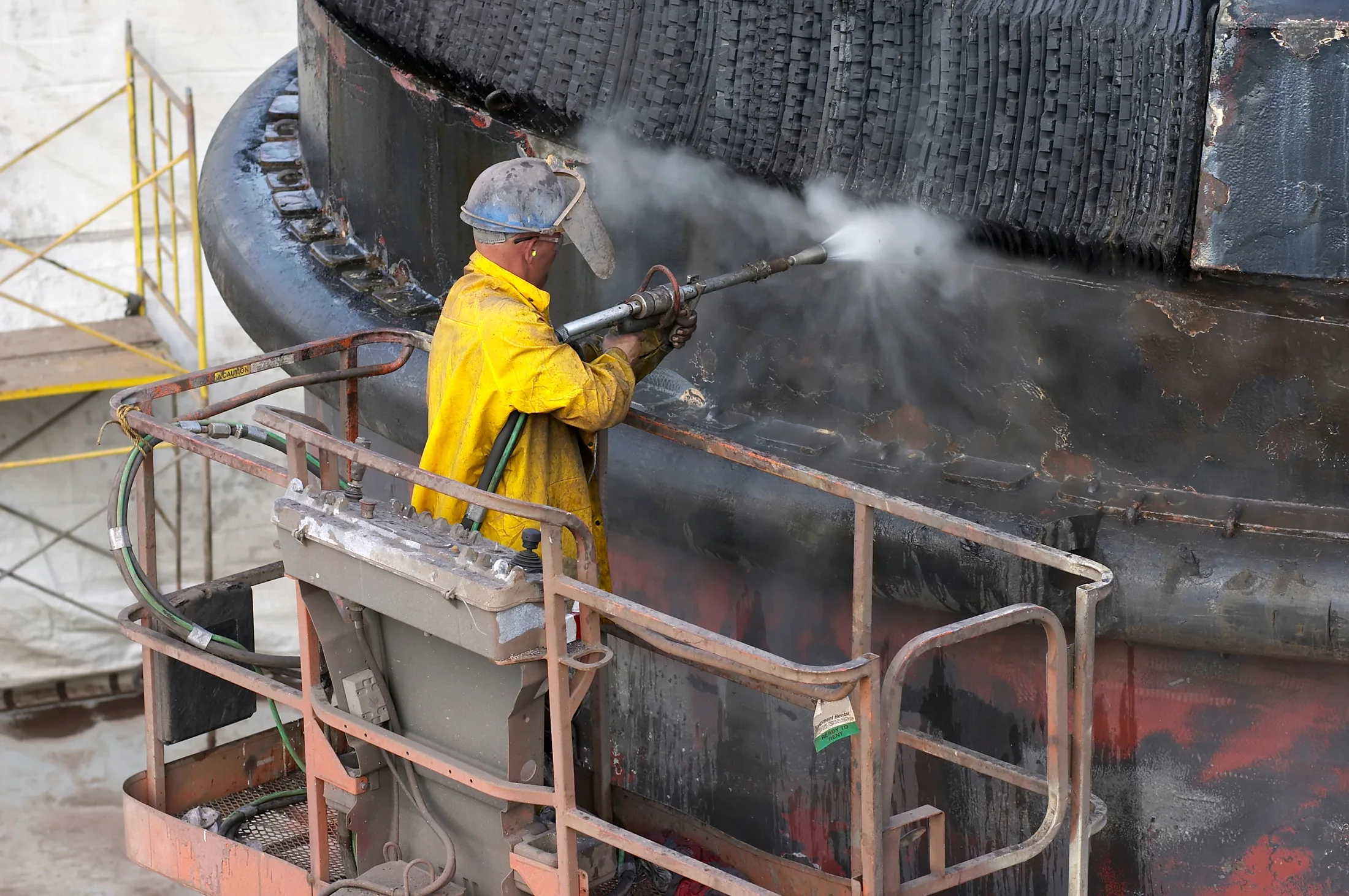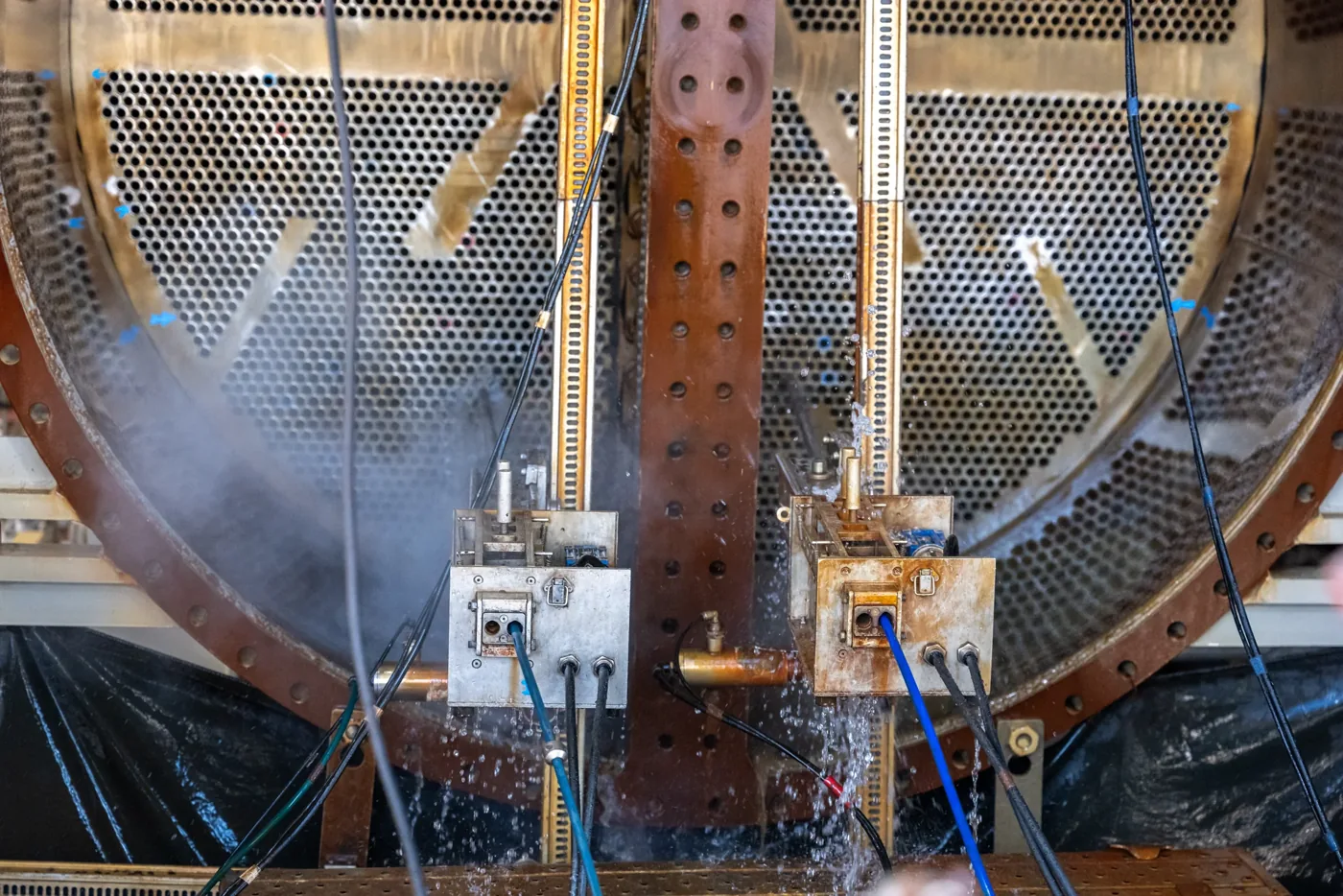
Yes. A heat exchanger tube can be completely clear of deposits and still be unsuitable for continued operation. Cleaning addresses material inside the tube, while integrity assessment considers whether the tube itself can safely withstand its intended operating conditions. These are different maintenance outcomes, and neither should be mistaken for the other.
Cleanliness versus mechanical integrity
Fouling can restrict flow, reduce heat transfer and increase the pressure difference across an exchanger. Removing deposits may improve performance and expose surfaces that were previously hidden. However, a clear passage does not establish that the tube wall retains sufficient thickness or that its connections are sound.
For maintenance managers, the distinction matters when an exchanger is being prepared for inspection, repair or return to service. Heat exchanger tube cleaning can remove suitable deposits from accessible bores, but the acceptance criteria for cleanliness should not be confused with those for mechanical condition.
A cleaning record might identify the tubes treated, restrictions encountered and areas that could not be reached. It cannot, by itself, demonstrate the condition of the complete pressure boundary.
Defects that cleaning cannot resolve
Some deterioration remains present after deposits have been removed. It may even become easier to identify once fouling no longer obscures the underlying surface.
- Tube wall thinning: Corrosion or erosion may have reduced the remaining metal thickness, regardless of how clean the bore appears.
- Pitting: Localised metal loss can be more significant than its visible extent suggests. Cleaning does not establish the depth of individual defects.
- Cracks and mechanical damage: Vibration, thermal cycling or other stresses may affect a tube without producing an obvious internal blockage.
- Joint deterioration: Leakage paths at tube-to-tubesheet connections are separate from the removal of deposits along the tube.
- Previously repaired tubes: Plugs and other historical interventions need to be understood when assessing the available tube bundle and its operating limits.
Deposit patterns can provide useful context, but they are not reliable substitutes for examination. A tube that passes water freely may still contain a defect requiring further investigation.
Inspection and recommissioning interfaces
The appropriate sequence depends on the exchanger design, service fluid, operating history and reason for maintenance. Cleaning may precede an examination because deposits interfere with access or measurement. In other circumstances, an initial condition assessment may be needed before deciding how aggressively a fouled tube can be cleaned.
The responsibilities should remain distinct:
- Cleaning: Establish which passages were treated, what deposits were removed and whether any restrictions remain.
- Inspection: Determine which examinations or tests are appropriate for the tube material, geometry and suspected deterioration.
- Service suitability: Evaluate the findings against the equipment’s operating requirements and decide whether repair, tube plugging, further examination or replacement is necessary.
The Health and Safety Executive’s guidance on using pressure systems explains maintenance, examination and competent-person responsibilities under the Pressure Systems Safety Regulations 2000 where those regulations apply in Great Britain. Not every heat exchanger automatically falls within the same examination requirements, so the applicable system and fluid must be established.
Where a written scheme of examination applies, cleaning completion does not replace the examinations required by that scheme. The responsible parties must establish the appropriate evidence before the equipment returns to service.
What should a maintenance handover establish?
A useful handover separates observations about cleanliness from conclusions about equipment condition. It identifies inaccessible tubes, persistent restrictions, unexpected material and any concerns requiring specialist review. It also makes clear which inspections, repairs and operational checks remain outstanding.
This prevents a completed cleaning task being treated as an approval to restart. It also helps the next maintenance team understand whether a remaining issue concerns fouling, the tube material or another part of the exchanger.
Where deposits extend beyond the tube bundle, broader heat exchanger cleaning requirements may also need consideration, without changing the separate obligation to assess mechanical condition.
The practical conclusion is straightforward: cleanliness is evidence that specified deposits have been addressed. Fitness for service requires its own assessment of the equipment and the conditions under which it will operate.