

Water jetting safety and method selection depend on the material that must remain as well as the deposit being removed. A damaged joint, thin wall or weak coating can make a method unsuitable even when the deposit itself can be removed by water jetting. Pressure is therefore only one part of the technical decision.
Water Jetting Safety and Method Selection
Water jetting safety and method selection covers equipment control, injection injury risk, confined spaces and checks suited to the work.
HomeWater Jetting Safety and Method SelectionWater Jetting Safety and Method Selection enquiry
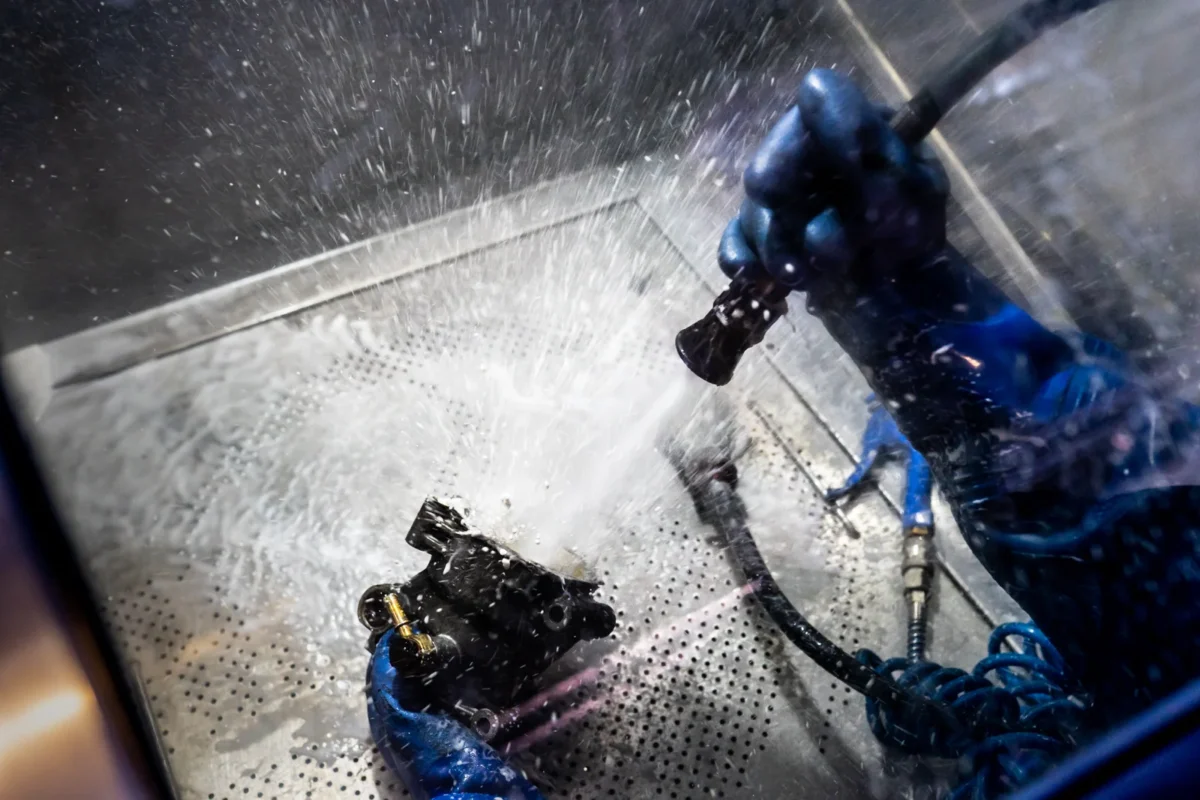
High-pressure hazards
Injection injuries can be serious despite a small entry wound; controls must extend beyond protective clothing.
Confined-space work
Entry is avoided where possible and needs separate risk assessment, competence, controls and emergency arrangements if required.
Equipment control and high-pressure injuries
Pressure and flow have to work with suitable nozzles, hose control and movement. High-pressure fluid can cause serious injection injuries, and a small entry wound can conceal severe internal damage. Any suspected injection injury needs urgent medical assessment; its seriousness should not be judged by the appearance of the skin. Protective clothing is one control, not a substitute for suitable equipment, competent operation and exclusion.
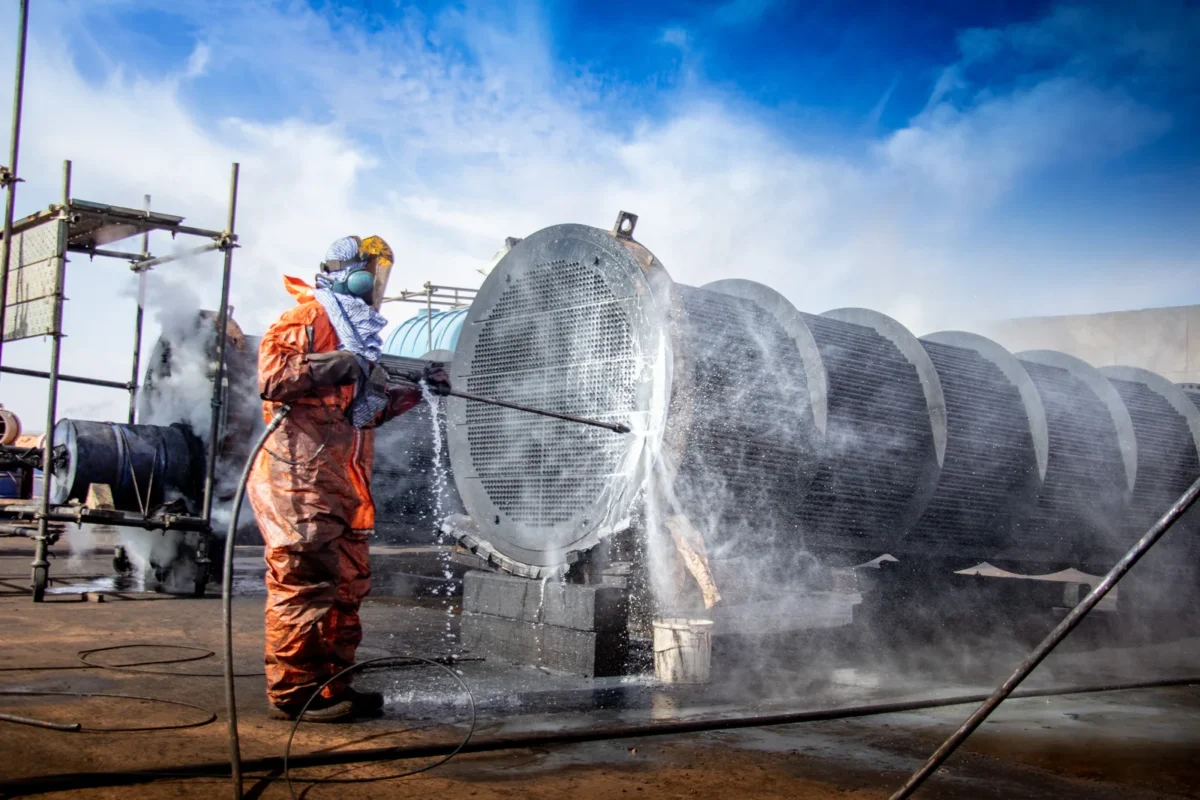
Discuss water jetting safety and method selection
Complete the form and we will get back to you.
Work areas, isolation and confined spaces
Spray, debris, hose routes and recovered water are controlled around the treatment area. Nearby electrical equipment and connected processes need suitable protection or isolation. Confined-space entry is avoided where possible. Where it is necessary, the specific risks, competent people, controls and emergency arrangements must be addressed separately; general jetting training does not establish confined-space competence.
Completion checks matched to the task
A representative trial or staged check can reveal limits before wider treatment. The completion evidence depends on the job: a drain may need a flow check, surface preparation needs comparison with the next treatment requirement, and concrete removal follows defined repair boundaries. Remaining obstruction or damage is identified rather than hidden by a generic ‘clean’ result.
Water Jetting Safety and Method Selection: common questions
Is protective clothing enough to control jetting risks?
No. It is one control alongside suitable equipment, competent operation, hose control, exclusion and other task-specific precautions.
Does general jetting training prove confined-space competence?
No. Confined-space work requires its own competence, risk controls and emergency arrangements.
Should pressure simply be increased if removal is slow?
No. The deposit and retained material should be reassessed before more force is applied.
What should happen after a suspected injection injury?
Urgent medical assessment is needed even if the entry wound looks small, because serious internal injury can be hidden.
Does the completion check vary by task?
Yes. Drain flow, surface preparation and concrete removal need different evidence.