Commercial yard drains can continue flooding after regular jetting because removing a blockage does not necessarily resolve the reason water is accumulating. The drainage network may be unable to carry the volume of rainfall reaching it, an outlet may be restricted, or fresh sediment may be entering the system faster than maintenance removes it.
For warehouse managers and industrial estate operators, the useful distinction is between a drain that needs cleaning and a drainage system that cannot discharge water effectively under particular conditions. Both can produce standing water, but they require different responses.
Blockage versus hydraulic overload
Jetting removes suitable deposits from drainage pipes and helps restore their available bore. It cannot increase the designed capacity of an undersized pipe, change the gradient of a yard or create additional storage for surface water.
A drain may carry ordinary rainfall without difficulty but surcharge during an intense downpour. If several gullies fill simultaneously, especially when the network was recently cleared, the problem may involve hydraulic capacity rather than another local obstruction.
Look at when flooding occurs. Does water appear only during heavy rainfall, or does it remain around individual gullies after relatively light showers? Does it drain away quickly once rainfall stops? These observations help distinguish temporary overload from a persistent restriction.
Surface levels also matter. Water collecting in a low section of hardstanding may not reach the nearest gully effectively, even when the underground pipe is clear. The Health and Safety Executive’s workplace drainage guidance explains the importance of adequate drainage for roadways, footpaths and hardstanding areas.
Trace sediment and downstream restrictions
Industrial yards receive grit from vehicle tyres, loose aggregate, soil, leaves and material washed from loading areas. Heavy rainfall transports these solids towards gullies, channels and chambers.
Repeated silt accumulation can indicate that material is continually arriving from elsewhere on the site. Continued wash-in of silt and grit means the same chamber can refill after successful cleaning.
When deposits keep returning, examine where they originate rather than concentrating solely on the last blocked section. Our guide to silt and grit in drainage systems explains how loose material affects drainage performance.
Downstream conditions require equal attention. An outfall restriction may prevent water leaving the network quickly enough, even if the upstream pipes are unobstructed. Potential restrictions include deposited solids, damaged pipework, a submerged outlet or high downstream water levels.
Where several connected gullies respond together, the common outlet deserves particular attention. Cleaning one gully repeatedly will not resolve a restriction beyond the point where its flow joins the wider network.
Decide between cleaning and investigation
Maintenance records become more useful when they identify the exact drain lengths treated, the deposits recovered and the conditions observed afterwards. A record stating only that the yard was jetted cannot establish whether every relevant section was cleared.
For persistent flooding, compare three forms of evidence:
- Deposits: Where are solids accumulating, what material is present and how quickly does it return?
- Rainfall response: Does flooding occur during ordinary rainfall, intense storms or both?
- Drainage route: Can water pass through the connected chambers and leave through the intended outlet?
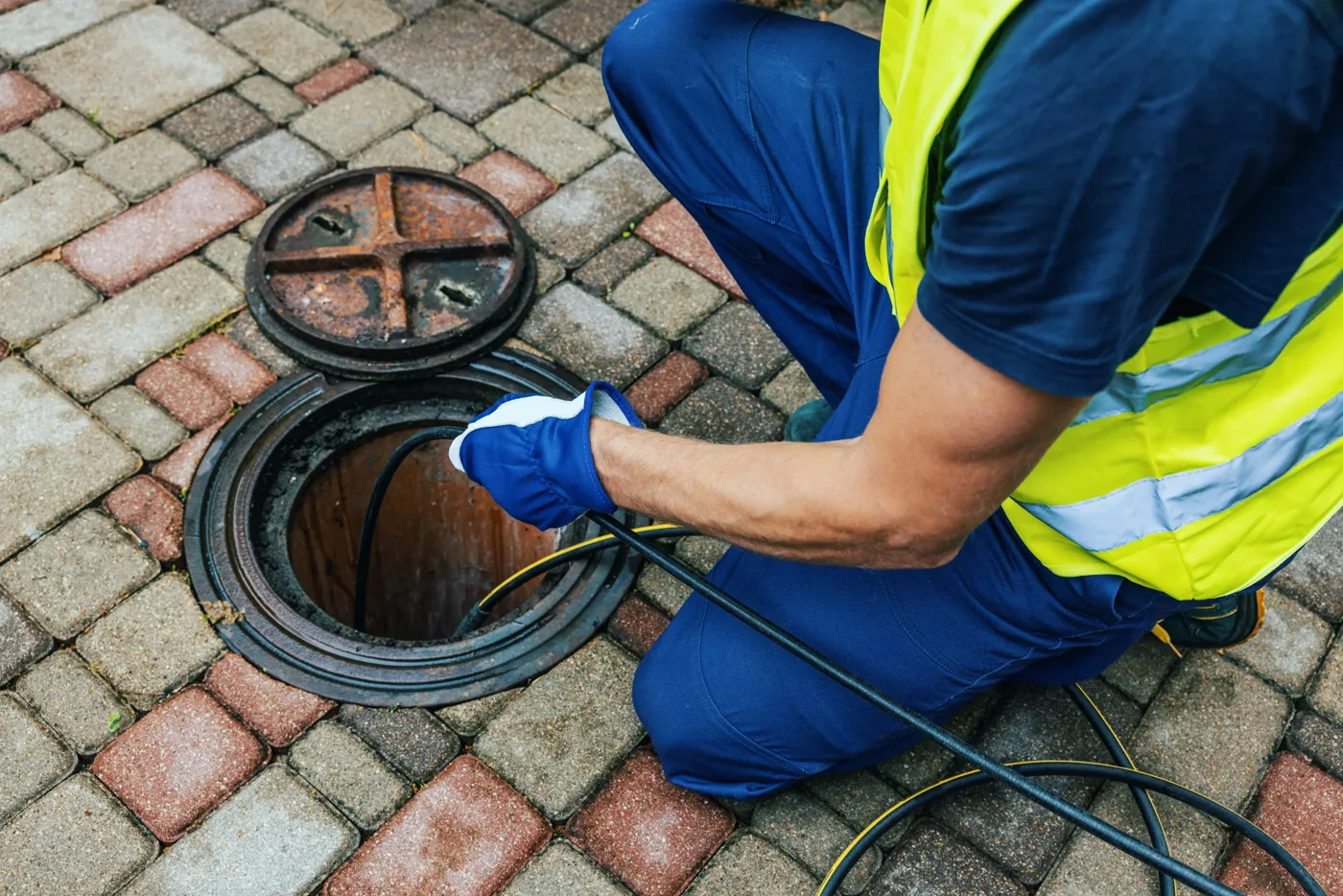
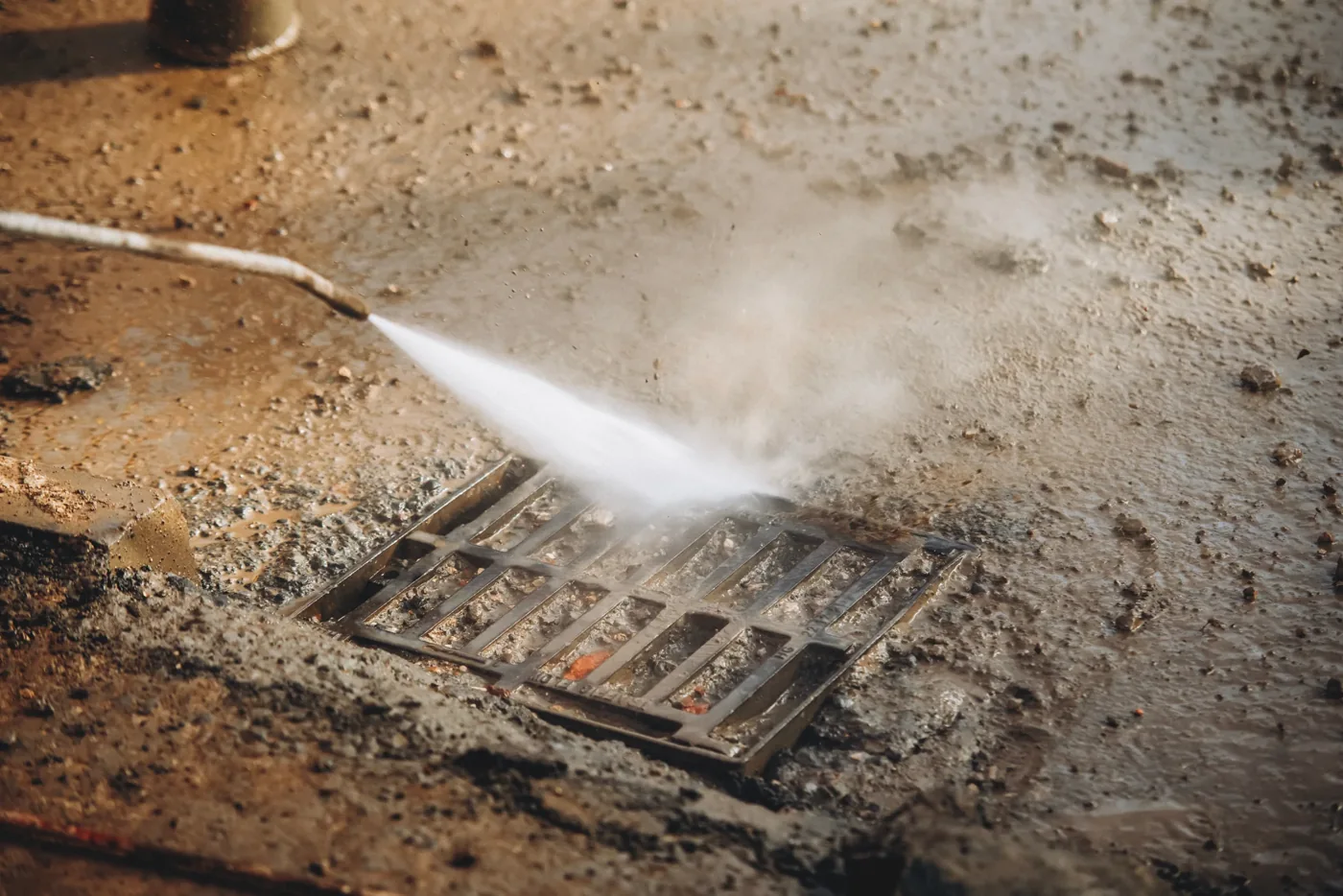
If accumulated material is restricting an otherwise serviceable pipe, targeted drain jetting for facilities management may restore the required flow. The work should identify the treated sections and any remaining restrictions.
If the pipe is clear but flooding persists under significant rainfall, hydraulic assessment may be needed to establish whether the existing network has sufficient capacity. Suspected collapsed sections, displaced joints or inaccessible restrictions may instead justify CCTV inspection.
The result is a more useful maintenance decision: clean where deposits are causing the problem, investigate where the network’s condition is uncertain, and consider drainage capacity separately where the system cannot cope with incoming water. Increasing the frequency of jetting alone will not correct an underlying hydraulic limitation.