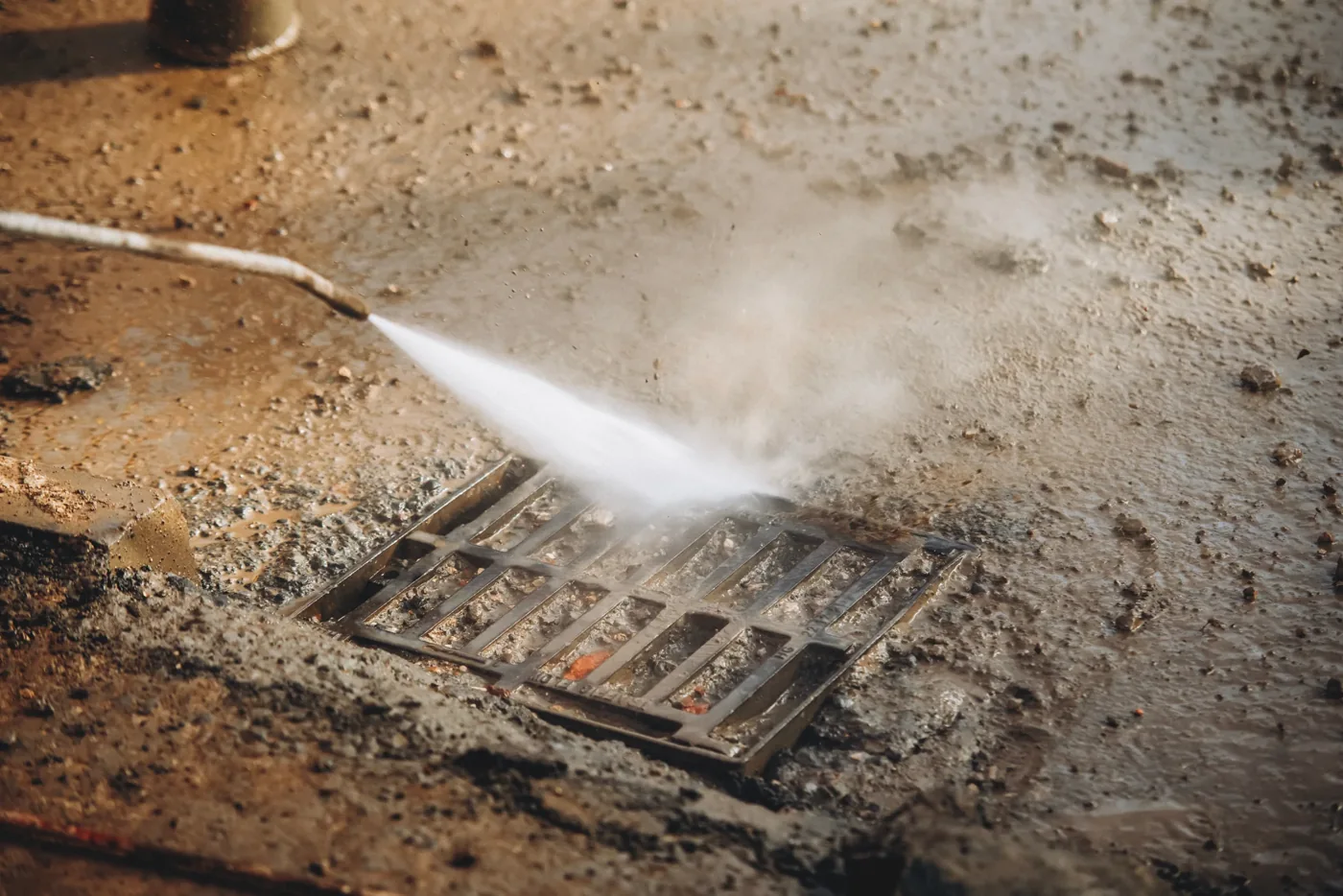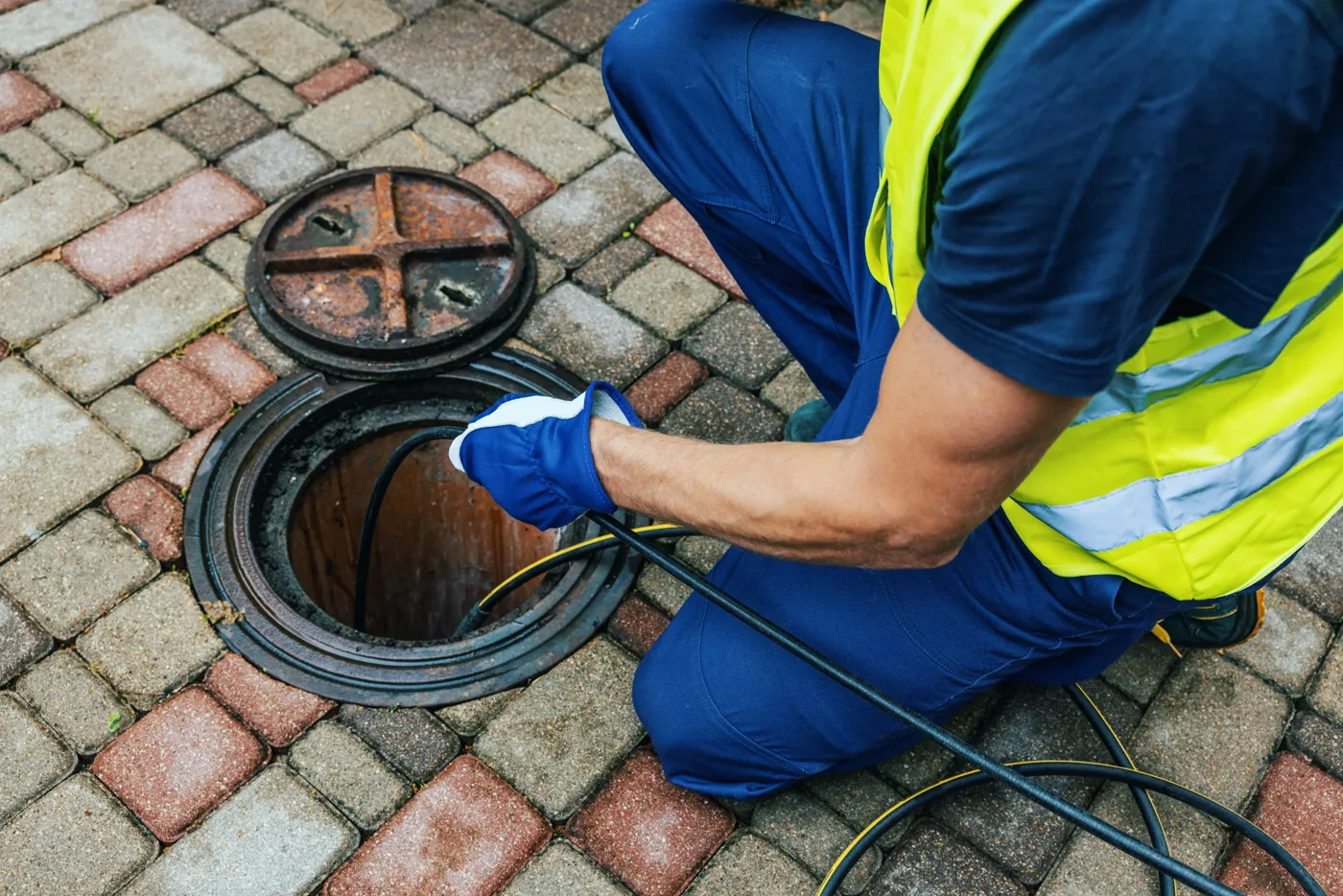
A drain blockage can return immediately after jetting because some obstructing material remains, fresh material enters the pipe, or a structural defect continues to restrict flow. Jetting may reopen a passage through the obstruction without removing the underlying cause.
For commercial property managers, the important evidence is what happens after flow returns. A drain running freely at the end of cleaning demonstrates an improvement at that moment. It does not, by itself, confirm the condition of the entire pipe or explain why the original blockage developed.
What does the speed of recurrence indicate?
The interval between cleaning and another blockage provides a useful starting point for investigation, although it cannot establish the cause on its own.
Within minutes or hours: Residual material may have shifted back into the flow path. Alternatively, a downstream restriction may prevent discharged water from leaving the connected network effectively.
After the next period of heavy use: Material entering from kitchens, washrooms, industrial processes or upstream drainage sections may accumulate at the same restriction. The renewed blockage can reflect both incoming waste and the existing pipe condition.
After rainfall: Silt, grit and loose debris may be carried into the system. A drain that performs normally in dry conditions can still struggle when additional water and sediment arrive together.
These patterns should be considered alongside the location of the obstruction, the nature of recovered deposits and which connected facilities are affected.
Residual obstruction is not the same as a structural defect
Jetting can remove suitable soft deposits and movable obstructions, but treatment effectiveness depends on pipe access, the deposit and the condition of the drainage system.
A substantial accumulation may have a narrow passage cleared through it while material remains attached to the wall or settled elsewhere in the pipe. In that situation, temporary flow improvement can make the obstruction appear resolved before the remaining material causes another restriction.
Other deposits may be harder to remove with the same cleaning approach. Mineral scale, for example, can adhere to pipe walls and reduce the available bore. The distinction between loose debris and bonded deposits influences whether further cleaning is appropriate.
Structural faults produce a different problem. Pipe displacement, damaged joints, deformation or a partially collapsed section can create a persistent restriction. Debris may repeatedly collect at the same point because the pipe geometry has changed.
Removing accumulated waste does not realign a displaced joint or repair a damaged pipe. Repeated jetting may temporarily restore flow without changing the condition responsible for recurrence.
Could fresh material be entering from upstream?
Not every repeat blockage involves material left behind by the previous cleaning operation. A connected branch may continually introduce grit, fibrous waste, grease or other solids into the main drainage run.
For example, a downstream chamber may be cleared successfully but receive another quantity of sediment during the next heavy rainfall. In commercial kitchens, repeated grease-related restrictions may reflect material entering from active premises rather than a single isolated deposit.
Identifying the source matters because further cleaning of the same downstream section addresses the accumulation without necessarily limiting its return.
Site drainage plans, maintenance history and the contents of recovered material can help establish which upstream connections deserve attention.
When should inspection follow jetting?
Where a blockage returns rapidly, the next decision should be based on evidence rather than automatically repeating the same treatment.
The Environment Agency’s flood risk asset maintenance guidance distinguishes jetting to remove blockages from CCTV surveys used to identify potential maintenance and repair needs. Although written for flood risk assets, this distinction is useful when considering different investigative methods.
For a commercial drain, CCTV inspection may help identify displaced joints, cracks, deformation, retained deposits or restrictions beyond the previously treated length. Visibility depends on access and the condition of the pipe during inspection.
It is also important to establish who is responsible for the affected section. Buckinghamshire Council’s drainage responsibility guidance explains the distinction between private drains, lateral drains and public sewers in a homeowner context. For commercial premises, the actual pipe connections, property arrangements and relevant sewerage undertaker records need checking before responsibility for further investigation or repair is assigned.
When arranging commercial drain jetting, the useful outcome is a clear record of the treated length, the obstruction encountered and whether the recurrence suggests further cleaning, upstream investigation or structural assessment.
If a defect is confirmed, repair becomes a separate decision. If fresh deposits are responsible, attention may need to shift towards their source. Either way, restored flow is valuable evidence, but it is not proof that the underlying cause has disappeared.