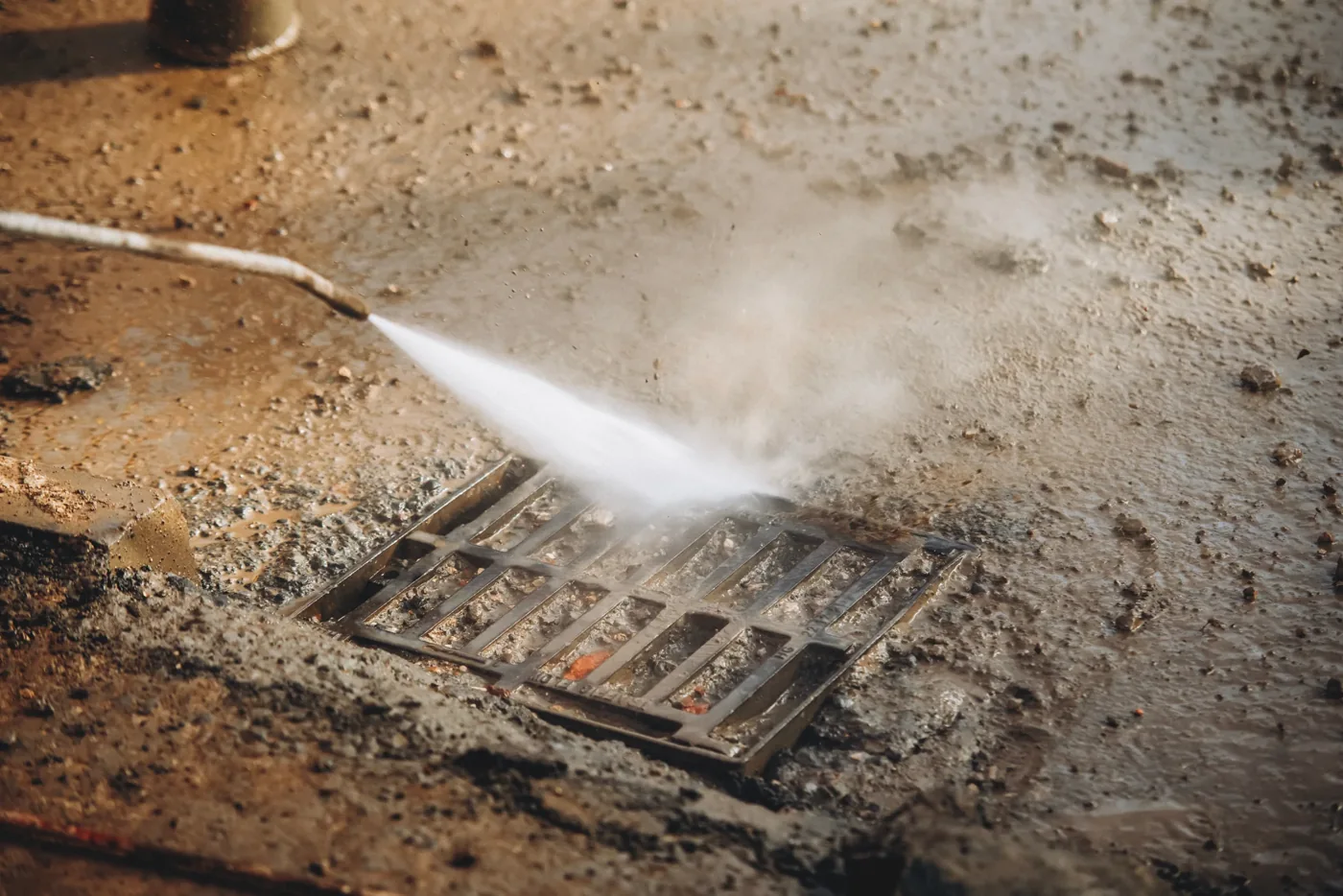
Oily washwater from industrial car park cleaning should be collected for suitable treatment, reuse or authorised disposal, unless the proposed discharge route is covered by the necessary consent or environmental permit. It should not simply be allowed to enter the nearest surface water drain.
In England, the destination of contaminated cleaning water matters independently of how clean the car park looks afterwards. Water carrying oil, suspended dirt or cleaning chemicals can create a pollution risk once it leaves the washing area.
What industrial car park washing mobilises
Vehicle movements leave more than visible tyre marks. Parking bays, loading approaches and turning areas can accumulate engine oil, hydraulic fluid, fuel residues, rubber particles, road grit and general atmospheric dirt.
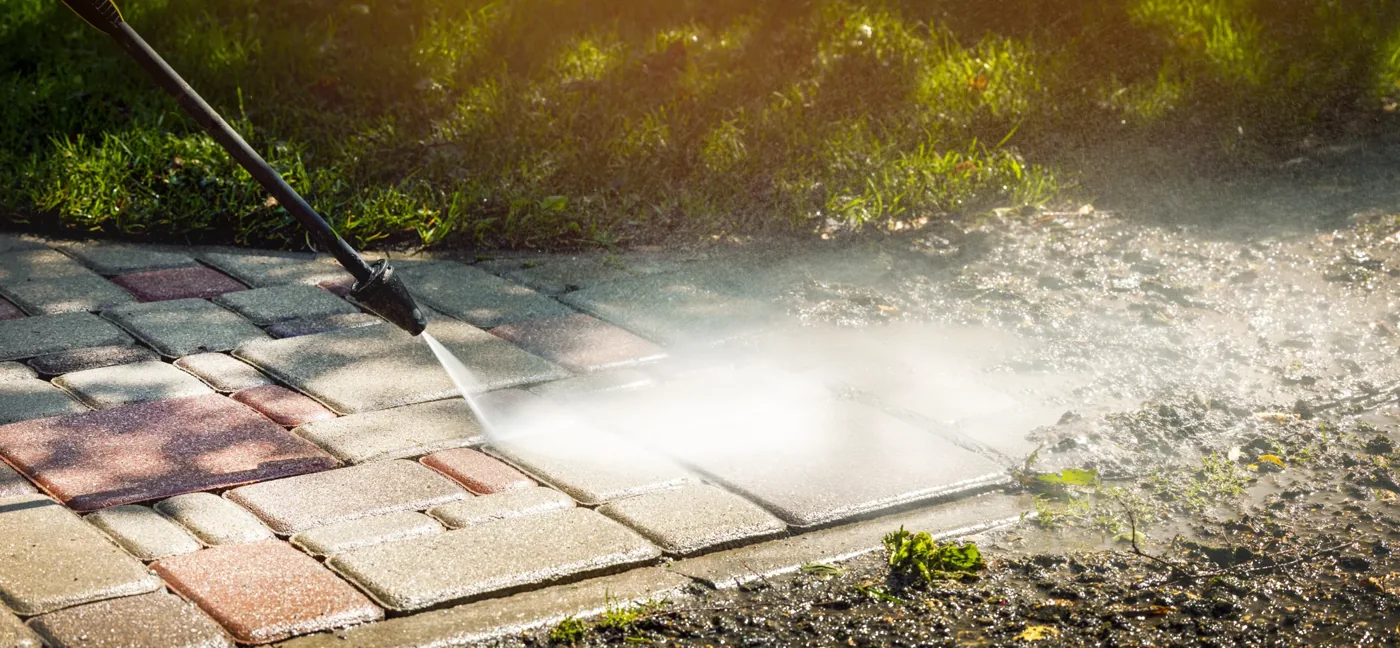
Pressure washing loosens these materials from the surface. They then become part of the washwater, either dissolved, suspended or carried as floating residues. Some pollution may remain difficult to see once mixed with a larger volume of water.
The condition of the surface changes the amount of material released. An area with isolated staining after occasional vehicle parking presents a different cleaning problem from a regularly used loading yard with recurring oil deposits.
Detergents and degreasers also affect the waste stream. Although they may assist cleaning, their presence does not make contaminated runoff suitable for ordinary surface drainage.
The Environment Agency’s pollution prevention guidance for businesses specifically addresses contaminated water generated by activities including vehicle washing and yard cleaning.
Identify where the drainage actually leads
Before washing begins, the facilities team needs to establish which drainage system receives water from the intended working area.
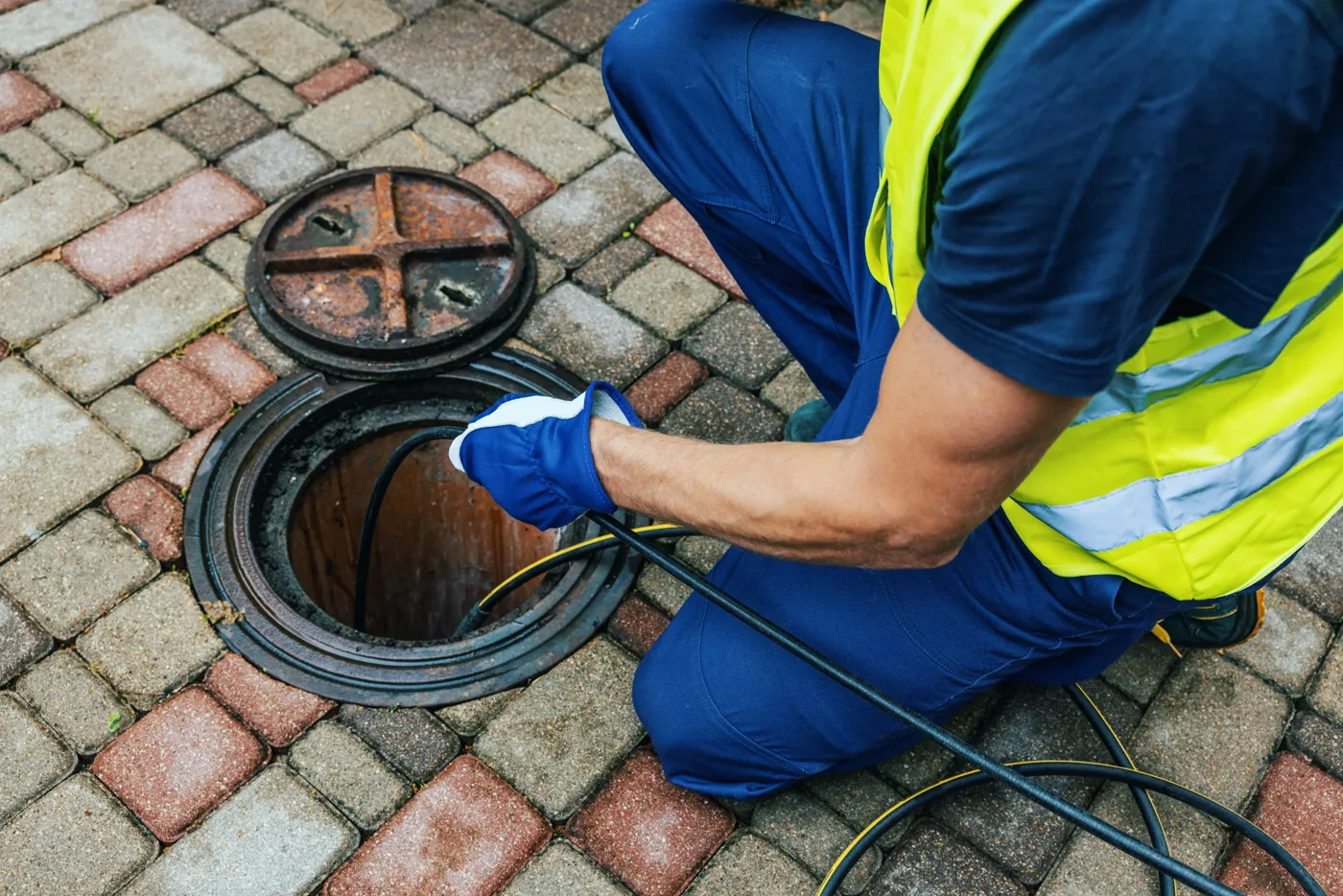
A car park may have separate surface water and foul drainage networks, a combined system, or site-specific arrangements incorporating interceptors and treatment equipment. A gully’s appearance does not confirm its connection or final destination.
The main distinctions are:
- Surface water drainage: Often carries rainfall towards a watercourse, soakaway or another environmental discharge point. It is not automatically an acceptable route for contaminated washwater.
- Foul drainage: Carries wastewater towards treatment, but discharge of commercial cleaning effluent requires the appropriate permission.
- Combined drainage: Receives both foul and surface water, but commercial contaminated discharge still requires permission.
- Contained drainage: May direct collected water into a sealed storage or treatment arrangement rather than allowing uncontrolled discharge.
An existing drainage drawing is useful only if it reflects the current site. Extensions, resurfacing and historic alterations can leave actual connections different from those shown on older plans.
If the route remains uncertain, the drainage arrangement needs to be established before selecting a washing method that generates significant runoff.
Contain, recover or use an authorised route
Washwater containment prevents contaminated liquid spreading into unsuitable gullies or leaving the agreed working area. Depending on the surface and drainage layout, arrangements may include temporary containment, controlled collection or equipment capable of recovering the generated water.
Recovered liquid can then be assessed for suitable treatment, reuse or removal by a registered waste carrier. Where discharge to a foul or combined sewer is proposed, the site must obtain the relevant permission from the water company, covering the proposed trade effluent. Discharge to surface water or groundwater is a separate matter governed by environmental permitting requirements; a sewer discharge consent does not authorise that route.
Existing oil interceptors need particular consideration. They may be installed to manage oily runoff from vehicle areas, but they are not a universal solution for pressure-washing wastewater. Detergents can interfere with oil separation, and accumulated sediment can reduce effective performance.
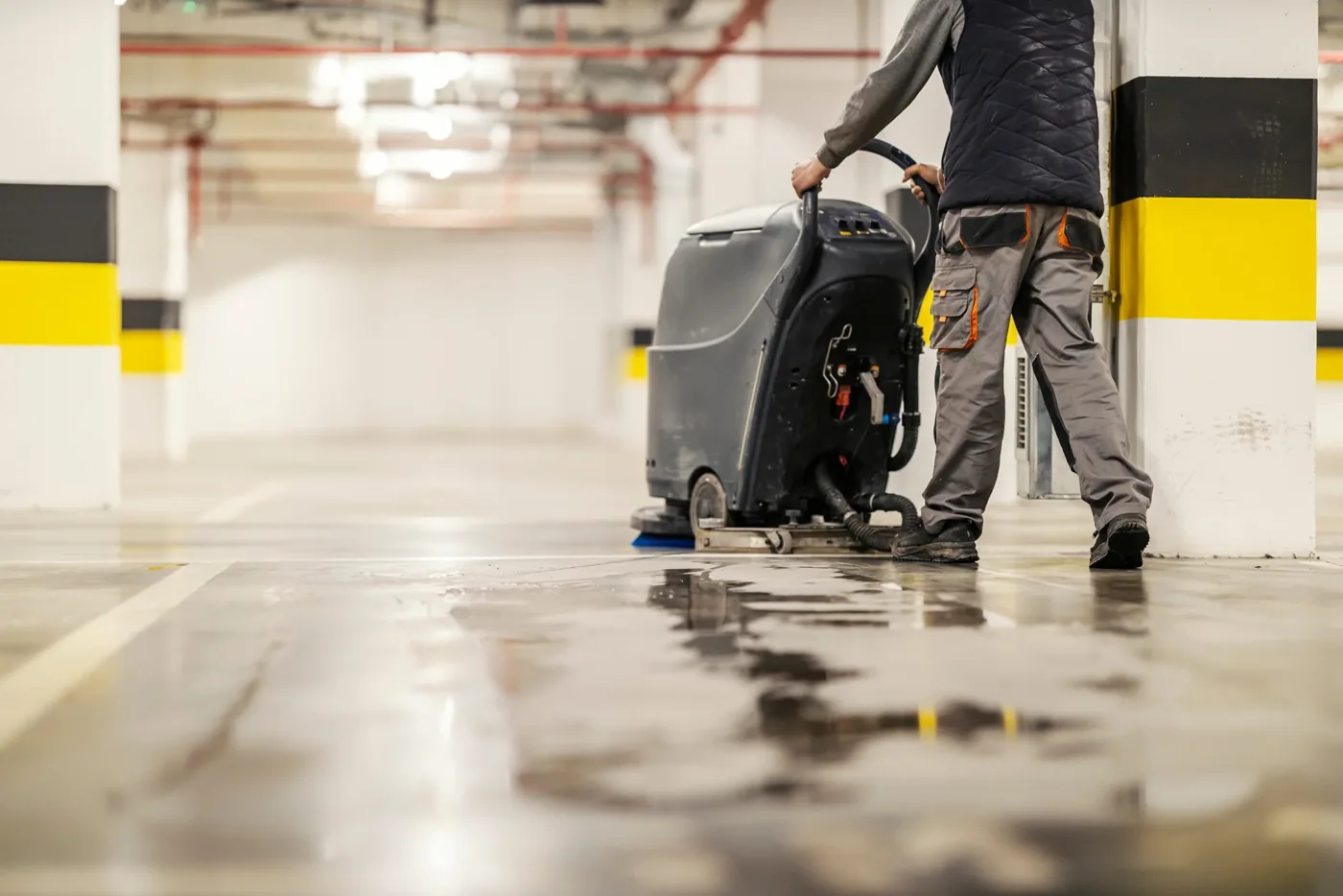
For facilities arranging car park cleaning services, the practical specification should therefore identify the surface to be cleaned, the likely contamination and the acceptable destination for generated water.
Cleaning may also be sequenced around occupied parking spaces, delivery movements and access routes. Smaller controlled working areas can make it easier to manage runoff and prevent vehicles carrying loosened contamination into adjacent areas.
Visible cleanliness is only one measure of completion. The cleaning area should be left in the agreed condition, while collected residues and washwater follow the intended waste or authorised discharge route.
This separates two essential outcomes: an improved car park surface and appropriate management of the pollution mobilised during cleaning.